
 609-895-0596
Underground Gutter Drainage: Prevent Basement Flooding and Foundation Damage in Central NJ & Bucks County
When it comes to protecting your home from water damage, your underground gutter drainage system plays a crucial role that most homeowners don’t think about until problems arise. At Rainware Seamless Gutters, we’ve spent over 30 years helping homeowners in Mercer County and Bucks County prevent basement flooding and foundation damage through proper drainage solutions.
What Are Underground Gutter Drains?
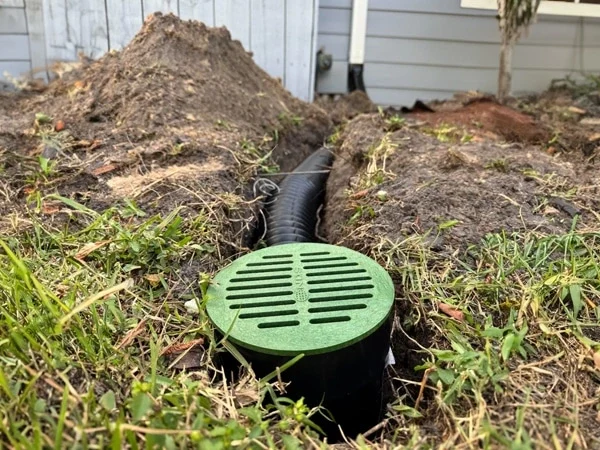
Underground drainage systems connect to your downspouts and channel rainwater away from your home’s foundation through buried pipes. Rather than allowing water to pool around your foundation where it can cause basement flooding, soil erosion, and structural damage, these systems redirect water to safe discharge points like storm drains, dry wells, or designated drainage areas on your property.
For homeowners in Princeton, Trenton, and throughout our region, where clay-rich soils can create drainage challenges, underground drainage systems offer essential protection against water intrusion and foundation problems.
The Most Common Underground Drainage Problems
1. Clogs and Blockages
The number one issue with underground gutter drainage is clogging. Leaves, twigs, shingle granules, and other debris flow from your roof through the gutters and into the underground pipes. Over time, this material accumulates and creates blockages that prevent proper water flow.
Warning signs of clogs include:
- Water pooling near your foundation or around downspouts
- Gutters overflowing during rainfall, even when the gutters themselves are clean
- Water spraying or leaking from pipe joints and seams
- Visible water backing up from the drainage pipe opening
- Damp basements or crawl spaces after storms
In areas with mature trees, debris accumulation happens faster and requires more vigilant maintenance.
2. Freezing and Ice Damage
Pennsylvania and New Jersey winters bring freezing temperatures that can wreak havoc on underground drainage pipes. When water becomes trapped in the pipes and freezes, it can cause multiple problems:
- Pipe bursts and cracks from expanding ice
- Complete blockages that force water back toward your foundation
- Ice sheets on walkways and driveways creating slip hazards
- Damage to downspouts from backed-up frozen water
The key to preventing freeze damage lies in proper installation with adequate slope (minimum 1/4 inch per foot) to ensure water drains completely from the system. Many homeowners benefit from seasonal disconnection of drains during winter months, reverting to above-ground drainage extensions until spring thaw.
3. Improper Installation and Slope Issues
Many problems stem from poor initial installation. Common installation mistakes include:
- Insufficient slope causing water to pool in low spots
- Wavy or sagging pipes that trap water like a sink trap
- Wrong pipe materials that can’t withstand freeze-thaw cycles
- Pipes not buried below the frost line in areas where freezing occurs
- Lack of access points for future maintenance and cleaning
Professional installation using laser transits to measure proper slope ensures water flows efficiently through the entire system. Working with experienced gutter installation contractors who understand local soil conditions makes all the difference.
4. Root Intrusion and Pipe Collapse
These systems face threats from below as well. Tree and shrub roots naturally seek out moisture and can infiltrate pipes through tiny cracks or connections. Once inside, roots grow rapidly, eventually creating major blockages or causing complete pipe failure.
Additionally, soil movement, ground settling, and surface traffic can cause pipes to collapse or become misaligned. The clay soils common throughout our region expand when wet and contract during dry periods, putting constant pressure on buried pipes.
5. Foundation Damage from System Failures
When drains fail, the consequences extend far beyond a wet yard. Water that doesn’t drain properly:
- Seeps into basements and crawl spaces
- Causes foundation cracks and erosion
- Creates ideal conditions for mold growth
- Damages landscaping and kills grass from oversaturation
- Undermines stairs, patios, and walkways
Foundation protection is especially critical in areas with naturally higher water tables or proximity to rivers and waterways.
Proven Solutions and Preventive Measures
Schedule Regular Inspections and Cleaning
Underground systems require periodic inspection to catch problems early. Professional gutter cleaning in Mercer County should include:
- Checking all downspout connections and adapters
- Flushing underground lines to remove accumulated debris
- Inspecting for signs of damage, settling, or root intrusion
- Testing water flow during and after rainfall
Spring and fall maintenance schedules keep systems running optimally year-round and prevent minor issues from becoming expensive repairs.
Use Proper Materials and Underground Gutter Drainage Installation Techniques
When installing or repairing systems, material selection matters. PVC pipe offers superior strength and durability compared to corrugated plastic pipe, though it costs more and requires professional installation. Key underground gutter drainage installation best practices include:
- Maintaining consistent 1/4 inch per foot minimum slope
- Using proper adapters to prevent water leakage at connections
- Installing cleanout access points for future maintenance
- Burying pipes below the frost line when feasible
- Creating proper discharge points away from foundations
Consider French Drains and Complementary Solutions
Sometimes underground drains work best as part of a comprehensive water management system. French drain installation provides excellent perimeter drainage around foundations and works particularly well for properties with challenging topography. Other complementary solutions include:
- Dry wells to collect and dissipate large water volumes
- Pop-up emitters that release water at ground level in designated areas
- Rain gardens that naturally absorb and filter stormwater
- Catch basins for areas with heavy runoff
Combining multiple drainage strategies provides the best protection against basement flooding and foundation damage.
The “Drainage Trifecta” Approach
The most comprehensive protection comes from what industry professionals call the “drainage trifecta”:
- Properly sized, well-maintained gutters to collect roof runoff efficiently
- Regular gutter cleaning to prevent debris from entering the system
- Rain gutter underground drain pipes to carry water far from the foundation
This three-part system ensures water moves safely from your roof to an appropriate discharge point without threatening your home’s structural integrity.
When to Call a Professional
While some gutter maintenance can be handled by homeowners, underground drainage issues typically require professional expertise. Contact an experienced contractor when you notice:
- Persistent water pooling near your foundation
- Recurring basement moisture or flooding
- Overflowing gutters despite regular cleaning
- Visible damage to pipes or connections
- Ice formation on walkways from drainage issues
- Musty odors or mold in basement areas
Professional companies have specialized equipment like drain snakes, high-pressure water jets, and video inspection cameras to diagnose and resolve problems that aren’t visible from the surface.
Take Action Before Problems Escalate
Underground systems problems rarely fix themselves. What starts as a minor clog can quickly escalate into foundation damage, basement flooding, and expensive repairs. The good news is that regular maintenance and prompt attention to warning signs prevent most serious issues.
If you’re experiencing any of the problems discussed in this article, or if you’d like a professional assessment of your current system, we are here to help.
Don’t wait until water damage threatens your home’s foundation. Contact us today for a free estimate. Let our 30+ years of experience work for you.